Maple
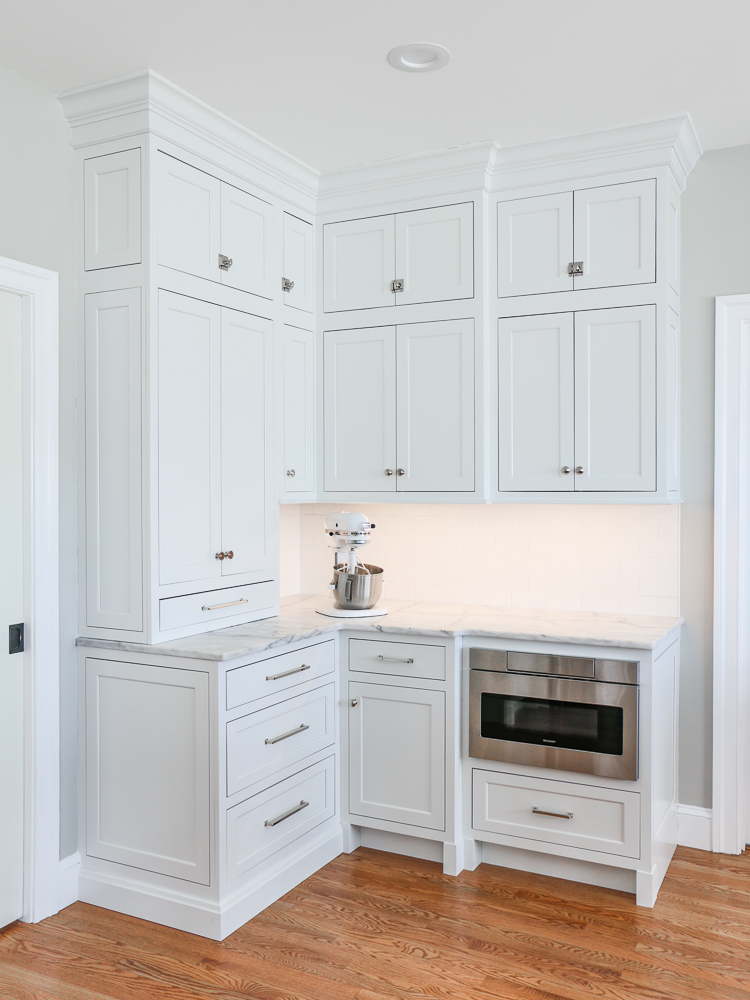
Maple is prized for its light, creamy color and tight, even grain, which gives cabinets a clean, modern look. It is one of the hardest domestic species available, so it resists dents and wear beautifully in a busy kitchen. Choose maple when you want a smooth painted finish or a bright, contemporary feel that will hold up for decades.
Birch
Birch shares maple's pale color and fine grain, but at a more approachable price point. Some natural color variation runs through the boards, giving it a touch more character while still reading as clean and modern. It is a smart choice for clients who love the maple look but want to stretch their budget a little further.
Alder
Alder has a soft, warm reddish brown tone and takes stain more evenly than almost any other cabinet wood, which makes it a favorite for rich, consistent color. It is softer than most hardwoods, so it is better suited to lower traffic areas or a more relaxed, rustic aesthetic. Choose alder when you want the warmth of stained wood without the higher cost of cherry or walnut.
Cherry
Cherry starts as a warm, reddish tone and deepens into a richer, more amber hue as it ages and catches natural light, a quality woodworkers call patina. Its grain is smooth and fine, giving it an elegant, traditional presence. Cherry is the right call for clients who want cabinetry that looks better with age and carries a timeless, formal quality.
Hickory
Hickory is known for its bold grain and dramatic color shifts between light sapwood and dark heartwood, no two boards look quite the same. It is also the hardest and most durable species on this list, built to take a beating in a hardworking kitchen. Choose hickory when you want a rustic, lodge inspired look with serious long term durability.
Red Oak
Red oak has a warm, slightly pink undertone and a bold, open grain pattern that has defined traditional American cabinetry for generations. It is strong, durable, and takes stain well, though the prominent grain lines are part of its character rather than something to hide. It is a solid, budget friendly choice for classic or traditional kitchen designs.
White Oak
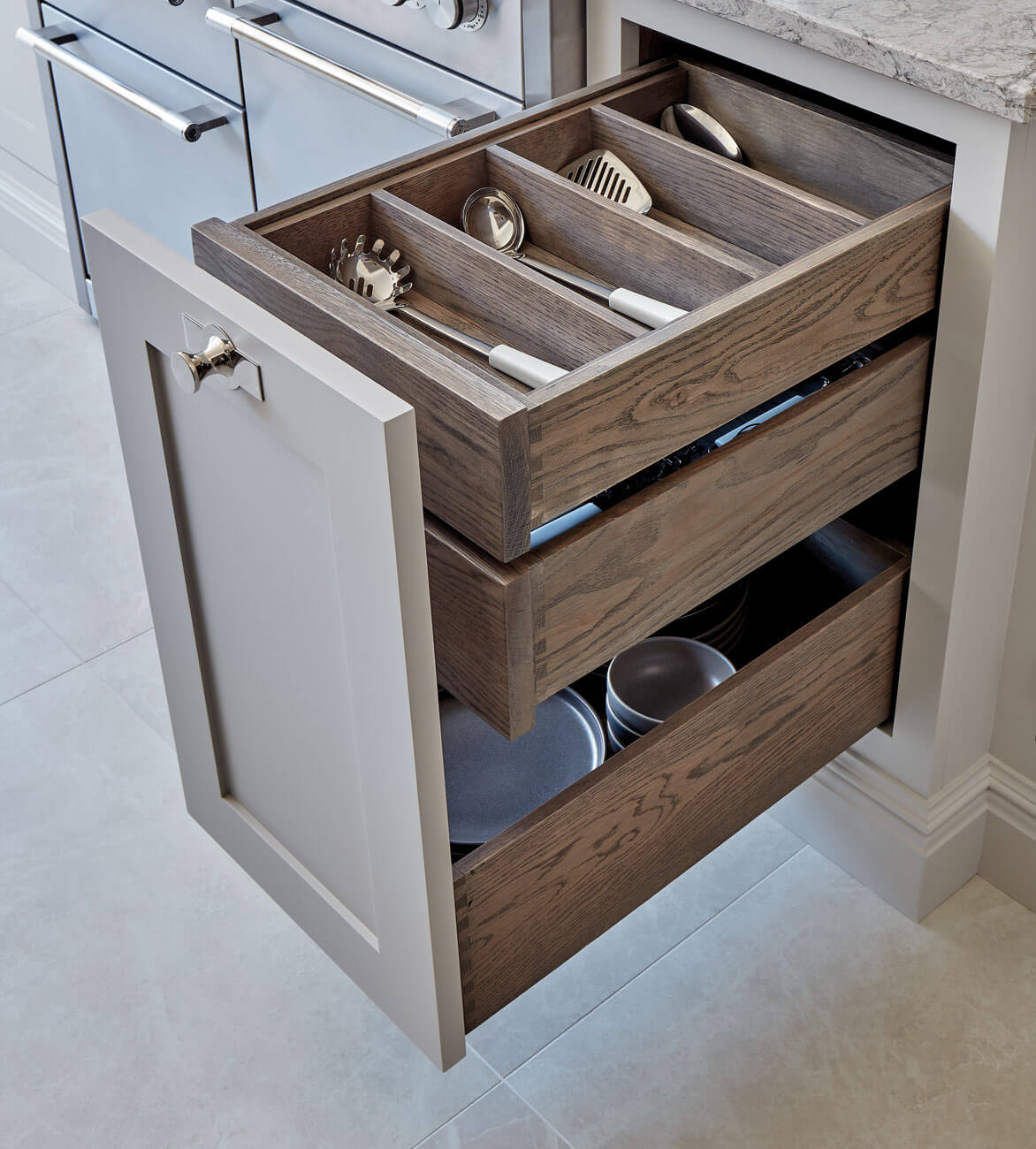
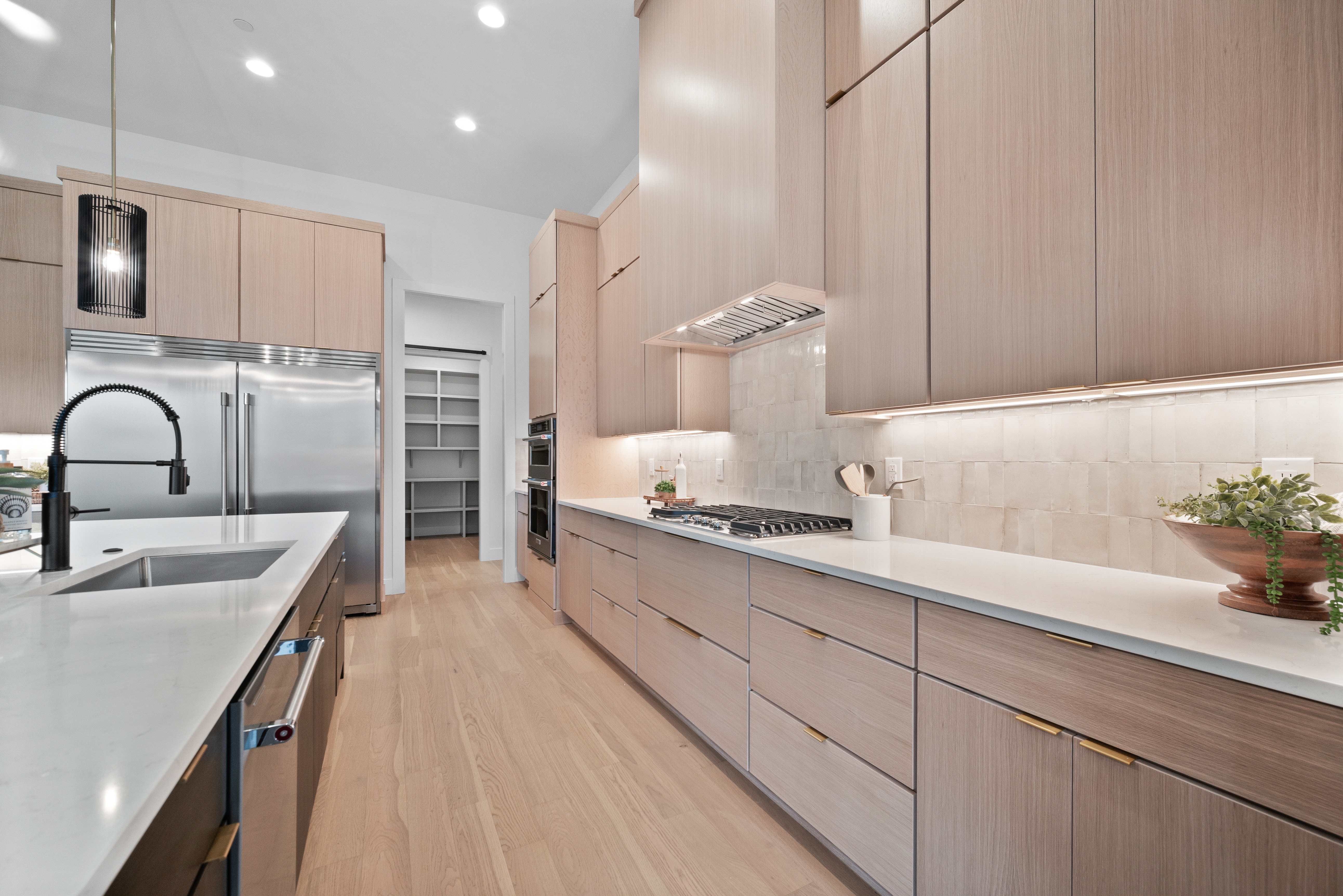
White oak offers a tighter, more refined grain than red oak, with warm golden brown tones and none of the pink undertone. Its closed grain structure makes it naturally more resistant to moisture, which is part of why it has been used in boat building and barrel making for centuries. White oak has become the go to species for modern farmhouse and Scandinavian inspired kitchens that call for a clean, organic look.
Walnut
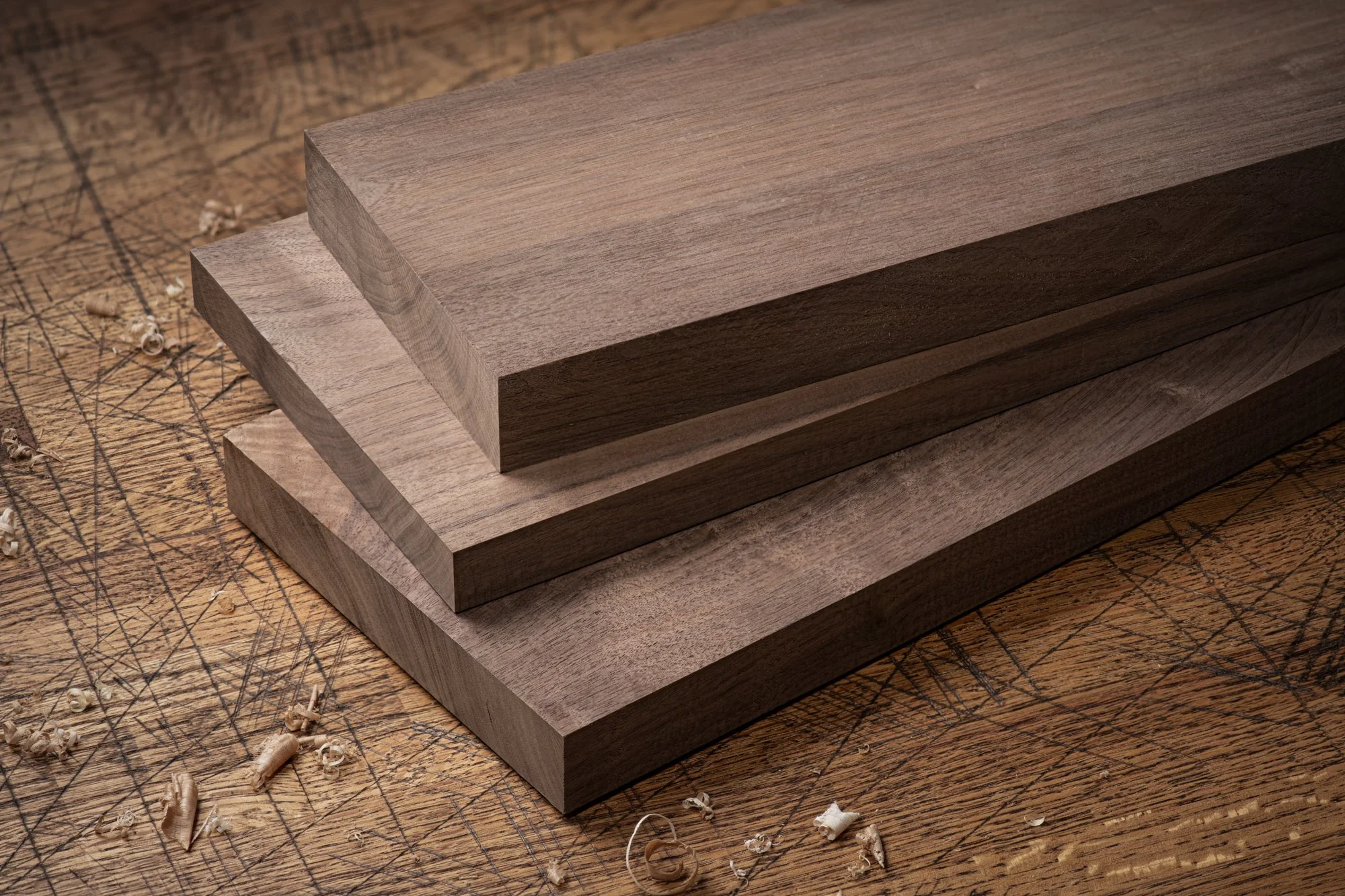
Walnut brings a rich, deep chocolate brown color and a straight, refined grain that reads as instantly upscale. It softens slightly in tone over time with natural light exposure, developing a warm patina similar to cherry. Walnut is the species to choose when a client wants a premium, modern look that sets their kitchen apart from the rest.
Easy steps to create a color palette
Lorem ipsum dolor sit amet, consectetur adipiscing elit lobortis arcu enim urna adipiscing praesent velit viverra sit semper lorem eu cursus vel hendrerit elementum morbi curabitur etiam nibh justo, lorem aliquet donec sed sit mi dignissim at ante massa mattis.
- Neque sodales ut etiam sit amet nisl purus non tellus orci ac auctor
- Adipiscing elit ut aliquam purus sit amet viverra suspendisse potent
- Mauris commodo quis imperdiet massa tincidunt nunc pulvinar
- Excepteur sint occaecat cupidatat non proident sunt in culpa qui officia
What is a color palette?
Vitae congue eu consequat ac felis placerat vestibulum lectus mauris ultrices cursus sit amet dictum sit amet justo donec enim diam porttitor lacus luctus accumsan tortor posuere praesent tristique magna sit amet purus gravida quis blandit turpis.
Don’t overspend on growth marketing without good retention rates
At risus viverra adipiscing at in tellus integer feugiat nisl pretium fusce id velit ut tortor sagittis orci a scelerisque purus semper eget at lectus urna duis convallis porta nibh venenatis cras sed felis eget neque laoreet suspendisse interdum consectetur libero id faucibus nisl donec pretium vulputate sapien nec sagittis aliquam nunc lobortis mattis aliquam faucibus purus in.
- Neque sodales ut etiam sit amet nisl purus non tellus orci ac auctor
- Adipiscing elit ut aliquam purus sit amet viverra suspendisse potenti
- Mauris commodo quis imperdiet massa tincidunt nunc pulvinar
- Adipiscing elit ut aliquam purus sit amet viverra suspendisse potenti
What’s the ideal customer retention rate?
Nisi quis eleifend quam adipiscing vitae aliquet bibendum enim facilisis gravida neque euismod in pellentesque massa placerat volutpat lacus laoreet non curabitur gravida odio aenean sed adipiscing diam donec adipiscing tristique risus amet est placerat in egestas erat.
“Lorem ipsum dolor sit amet consectetur adipiscing elit, sed do eiusmod tempor incididunt ut labore et dolore magna aliqua enim ad minim veniam.”
Next steps to increase your customer retention
Eget lorem dolor sed viverra ipsum nunc aliquet bibendum felis donec et odio pellentesque diam volutpat commodo sed egestas aliquam sem fringilla ut morbi tincidunt augue interdum velit euismod eu tincidunt tortor aliquam nulla facilisi aenean sed adipiscing diam donec adipiscing ut lectus arcu bibendum at varius vel pharetra nibh venenatis cras sed felis eget.